
01
SurvivorSupport
More women reached out. More survivors began counselling. Access to employment support grew.
Women came to BWSS with decisions to make about their safety, children, homes and livelihoods. Our feminist response begins with their knowledge of their own lives and the support they identify as necessary.
1. Support when safety is at stake
63.6%
increase
in new survivors accessing the Crisis Program.
140.2%
increase
in written safety plans and checklists.
80%
increase
in legal referrals and information.
Watch
The first conversation begins with what she needs.
Leaving, staying and navigating separation can each carry risks. A woman may need legal protection, somewhere to live or help responding to threats against her children.
Support workers listen and assess risk with her. Together, they develop a safety plan grounded in her circumstances: what to do in an emergency, where she and her children can go, and how to access safe transition housing and the support she needs.
26,872
BC’s most accessed crisis line for victims and survivors of intimate partner violence
Calls, emails and text messages.
A place to name the intimate partner and sexualized violence, understand the coercive control in effect, to ask difficult questions and have those concerns taken seriously.
Available during weekday daytime hours. Crisis-line activity is measured separately from the Crisis Program.
Putting the impact into words
Assistance with victim impact statements increased by 191.3%. Support workers helped survivors describe the effects of violence in their own words and prepare statements for the criminal legal process.
Legal advocacy – Family and Immigration Law
82.4% of survivors accessing the Justice Centre at BWSS were navigating two legal systems or more at the same time. Our approach places attention on how misogyny, racism, colonialism and other forms of inequality shape women’s access to safety and justice within the legal systems.
2. Space to heal. Somewhere to call home.
25.6%
increase
in survivors beginning counselling.
20.2%
decrease
in the year-end counselling waitlist.
155
requests for second-stage transition housing
submitted to Synchronicity.
More than half of submissions identified women already staying in a transition house—still seeking somewhere safe and stable to live after emergency shelter.
Healing while rebuilding.
A court date, a housing search, a child who cannot sleep: the work of rebuilding continues alongside the effects of intimate partner violence.
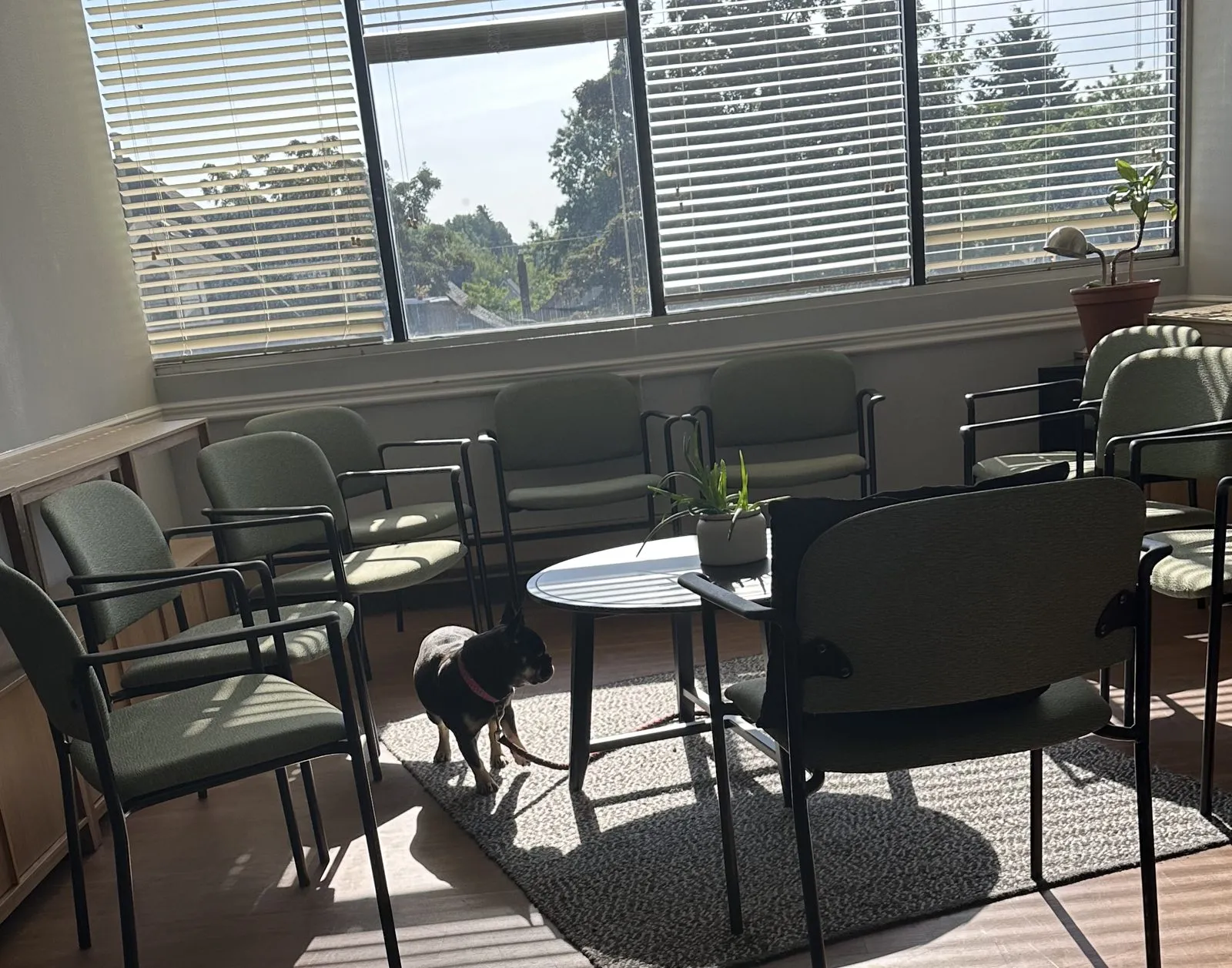
Stopping the Violence Counselling offers space to speak without blame and receive support at a woman’s own pace. At Synchronicity Second Stage Transition House, women and their children have a home while preparing for their next steps.
Healing takes place within everyday life, with its responsibilities, uncertainties and possibilities. Women identify what they want to address, whether they are still experiencing abuse or living with its effects after leaving.

 Listen
Healing and housing: what sustained support and a home made possible.
0:00
1,283
Referrals
to income assistance or housing/shelter services through our Crisis and Counselling Programs.

Synchronicity’s first full year
A home and ongoing support for women leaving violence.
Room to speak
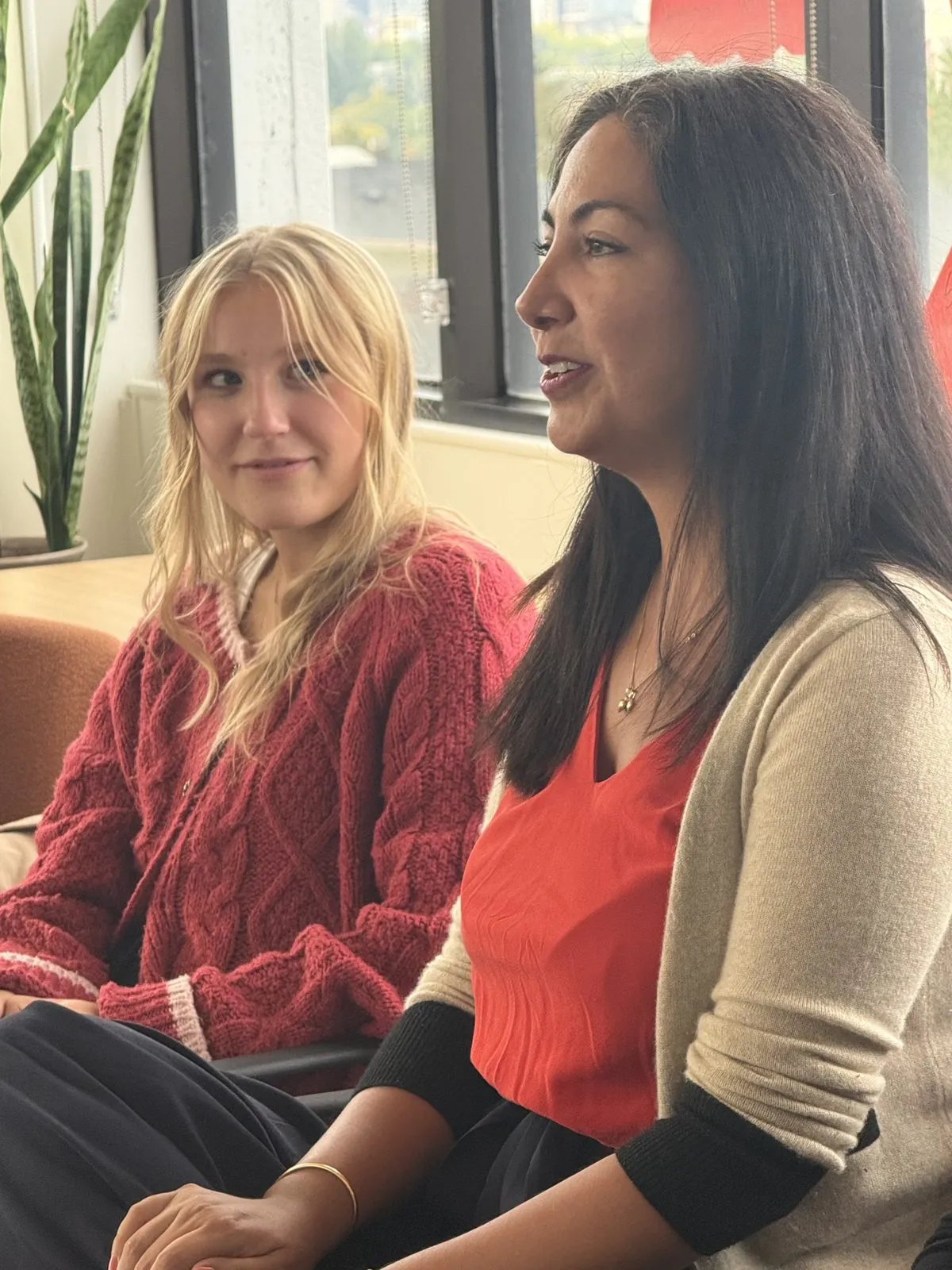
Counselling makes space for experiences that may have been dismissed, denied or difficult to put into words.
Shared experience. Collective understanding.
Groups offer opportunities to exchange knowledge, build relationships and recognize patterns in experiences women may have been told to hide or blame themselves for. Feminist support connects those experiences with the wider conditions that sustain violence against women.
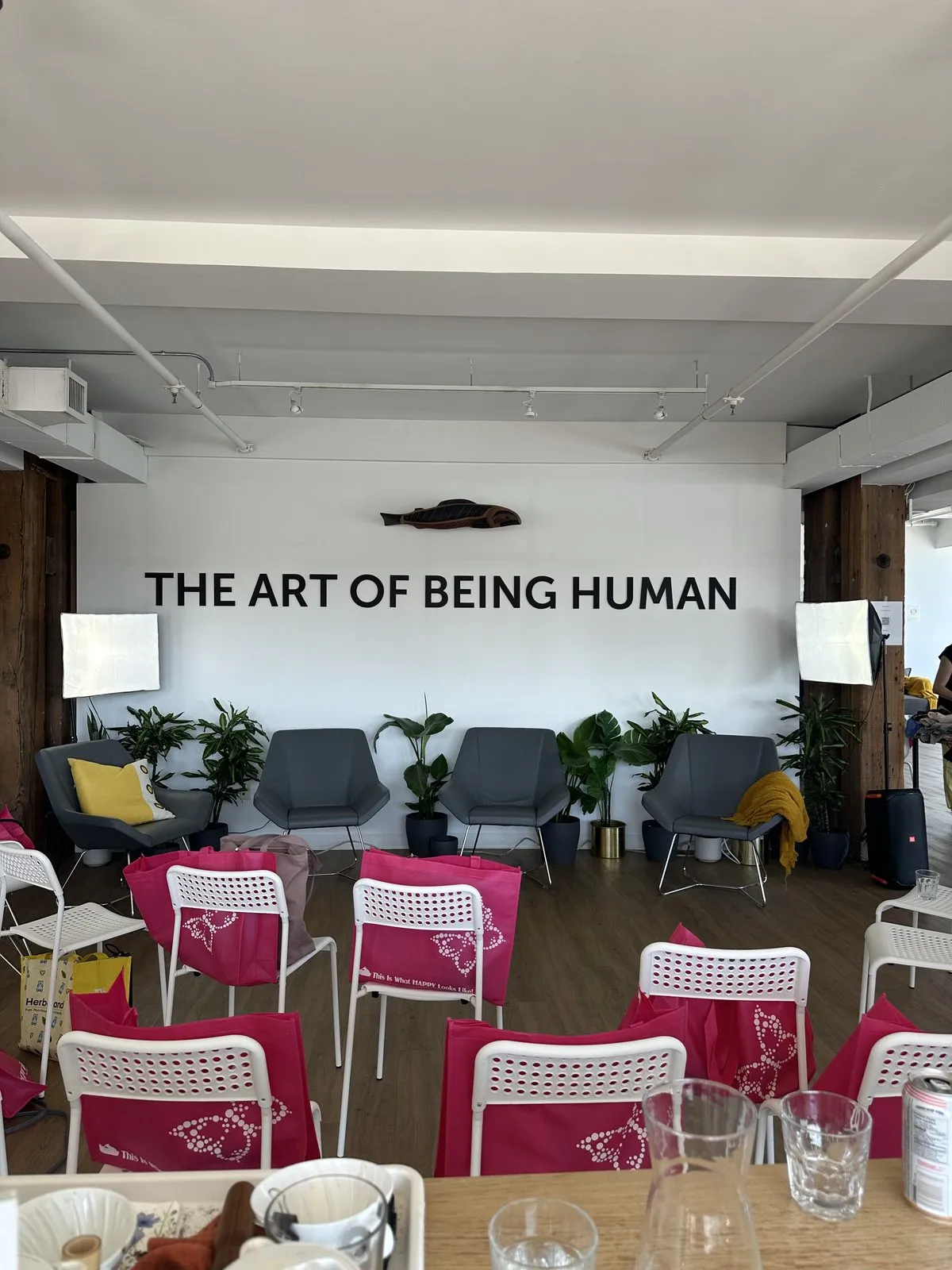
Time to settle and plan
Residents at Synchronicity can access BWSS services while addressing legal concerns and preparing for longer-term housing.
3. Economic independence. Greater choice.
146.6%
increase
in survivor access to employment support.
35.1%
of survivors gained employment
47.3%
gained work experience
Her skills. Her income. Her next step.
An abusive partner may have controlled earnings, interrupted employment or prevented education. Those barriers do not erase a woman’s abilities or ambitions.
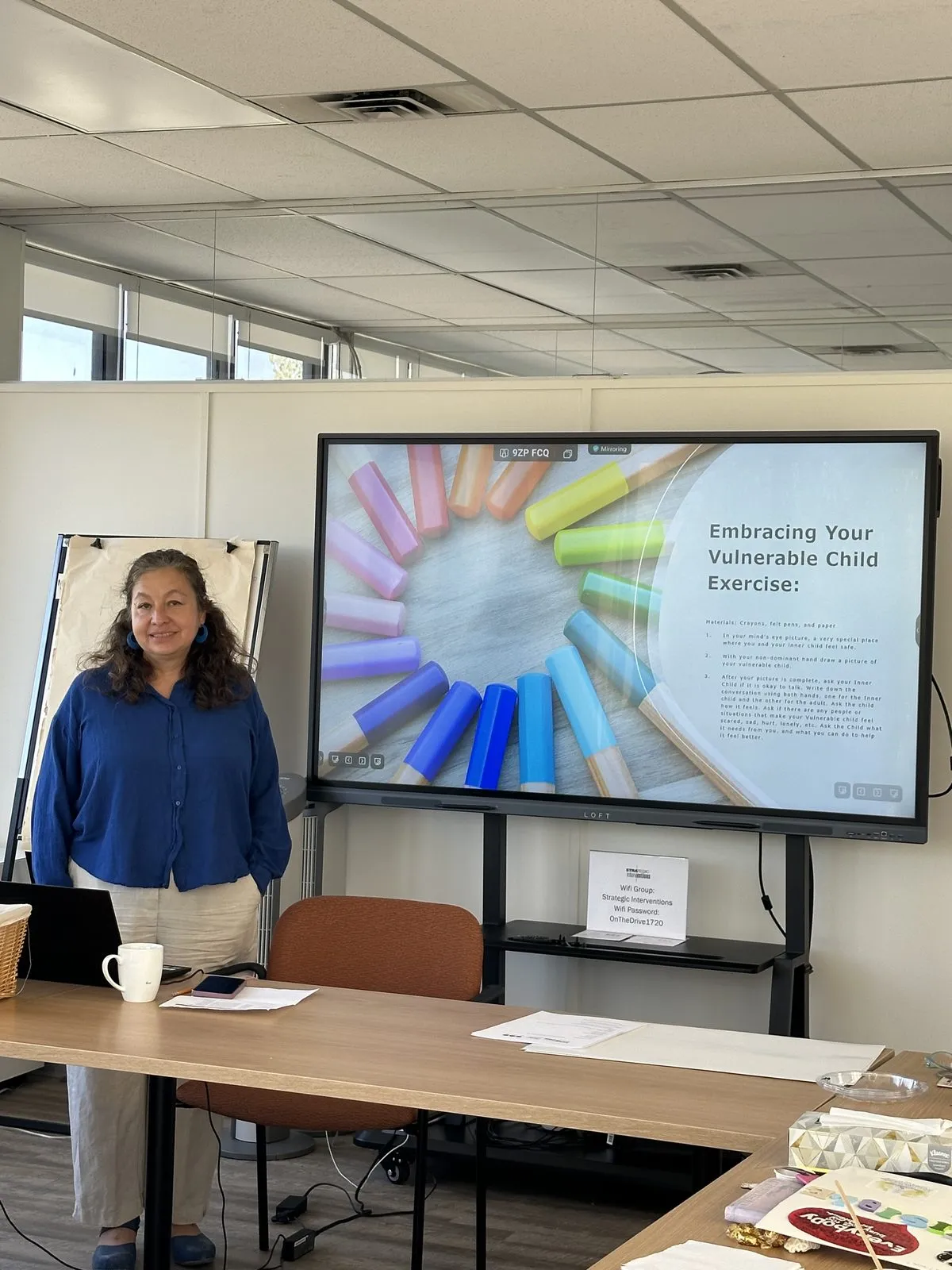
AWARE—Advancing Women’s Awareness Regarding Employment—supports women pursuing work while navigating the effects of violence. Job applications may happen between court dates. Training may depend on childcare. Accepting a job may require stable housing first.
The work begins with each woman’s goals and the practical support she needs to pursue them.
Paid work, in her own words
Qualifications for the next opportunity
27.5% completed occupational certifications, adding qualifications to the skills and experience participants bring to their employment search.
Practical learning
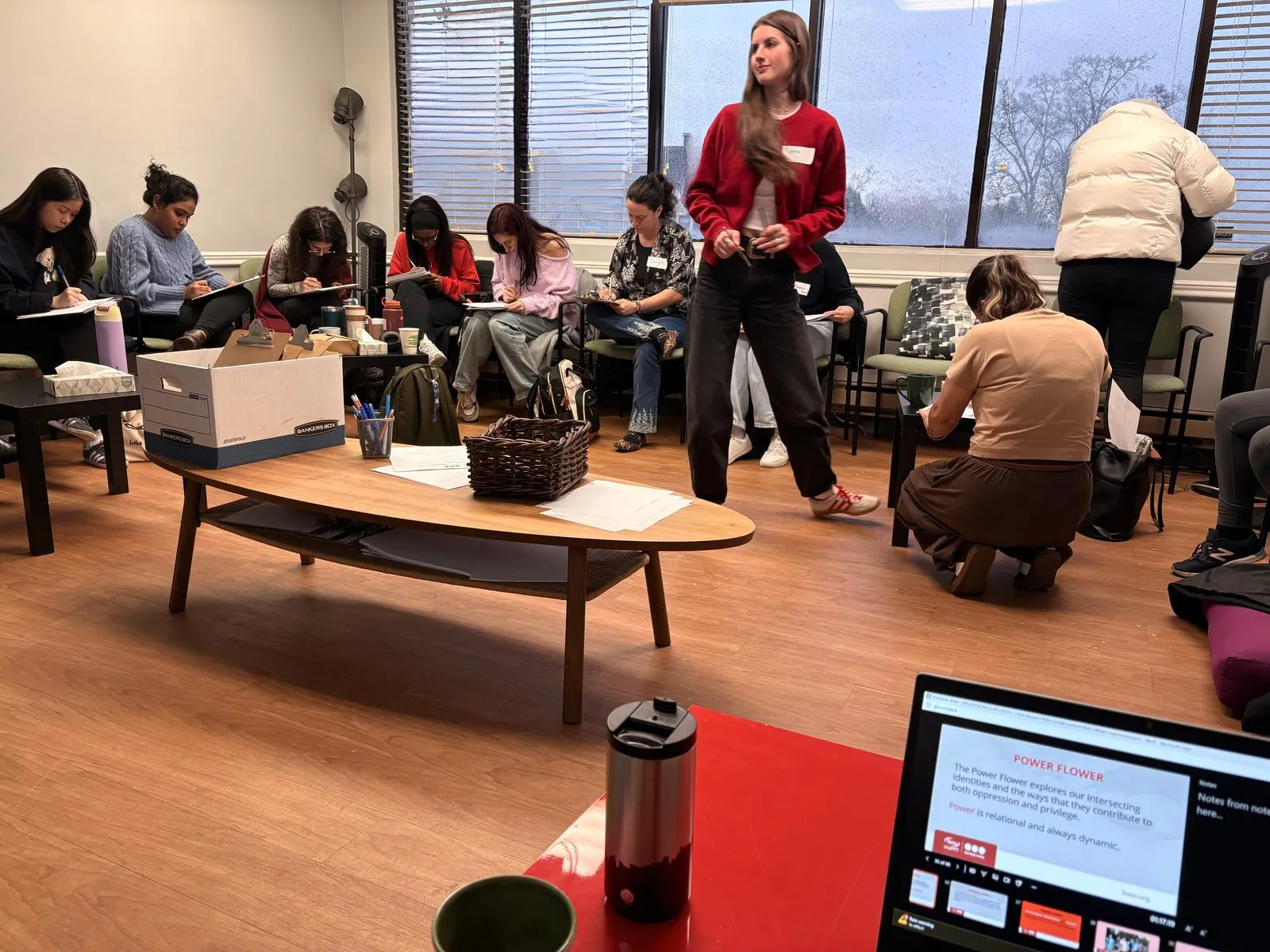
The program delivered 402 hours of group training, workshops and language/community programming, covering job search, computer skills, life skills, language learning and housing.
Individual employment support and Caring for Community work-experience opportunities extended the response beyond group programming.
Caring for Community is a work-experience program operated by My Sister’s Closet.