

04
Systemicand Institutional Change
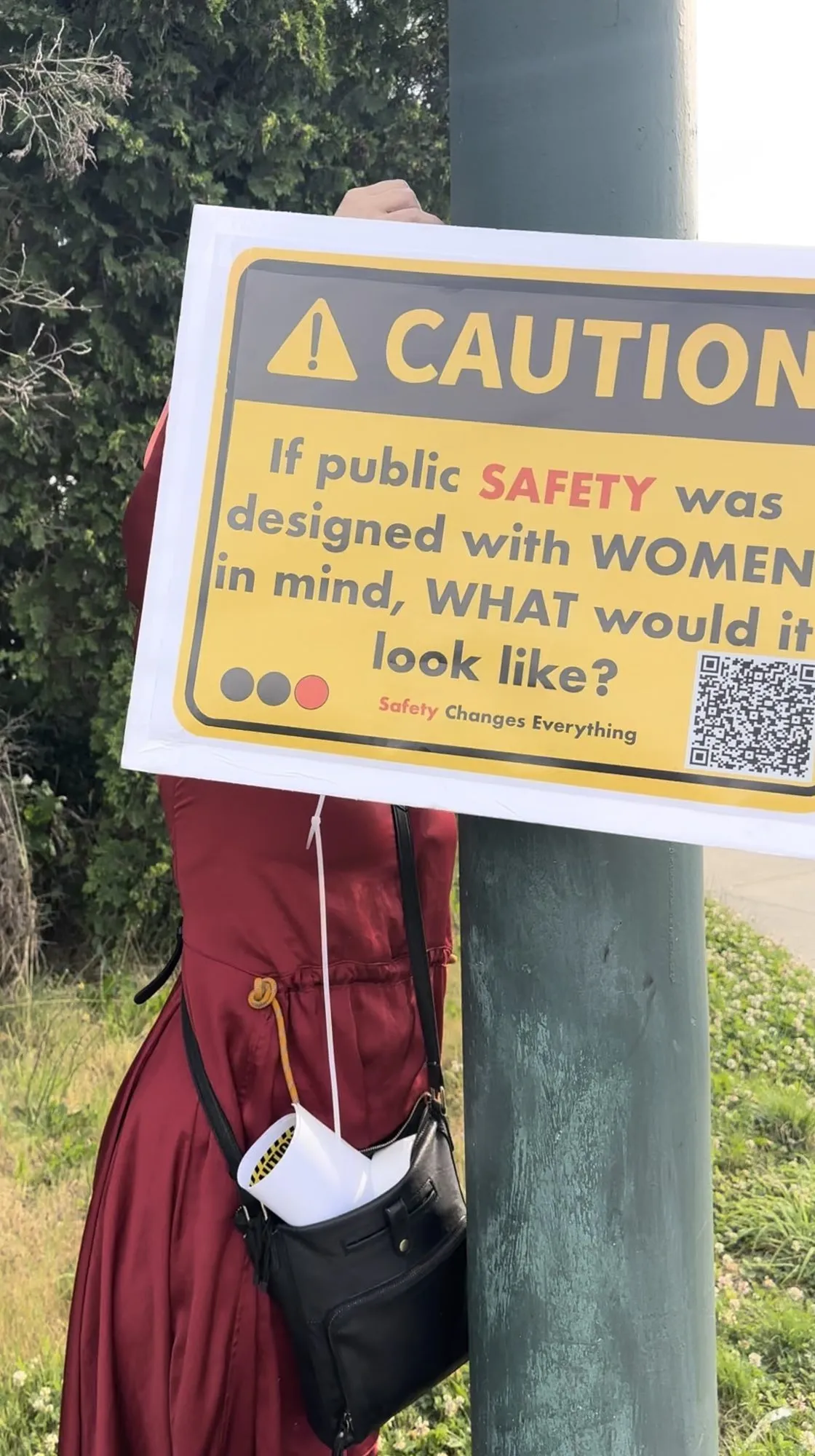
Intimate Partner Violence is treated as private. We make it a public responsibility.
The division between “public” safety and “private” violence has consequences: whose fear is taken seriously, where resources go and when institutions intervene.
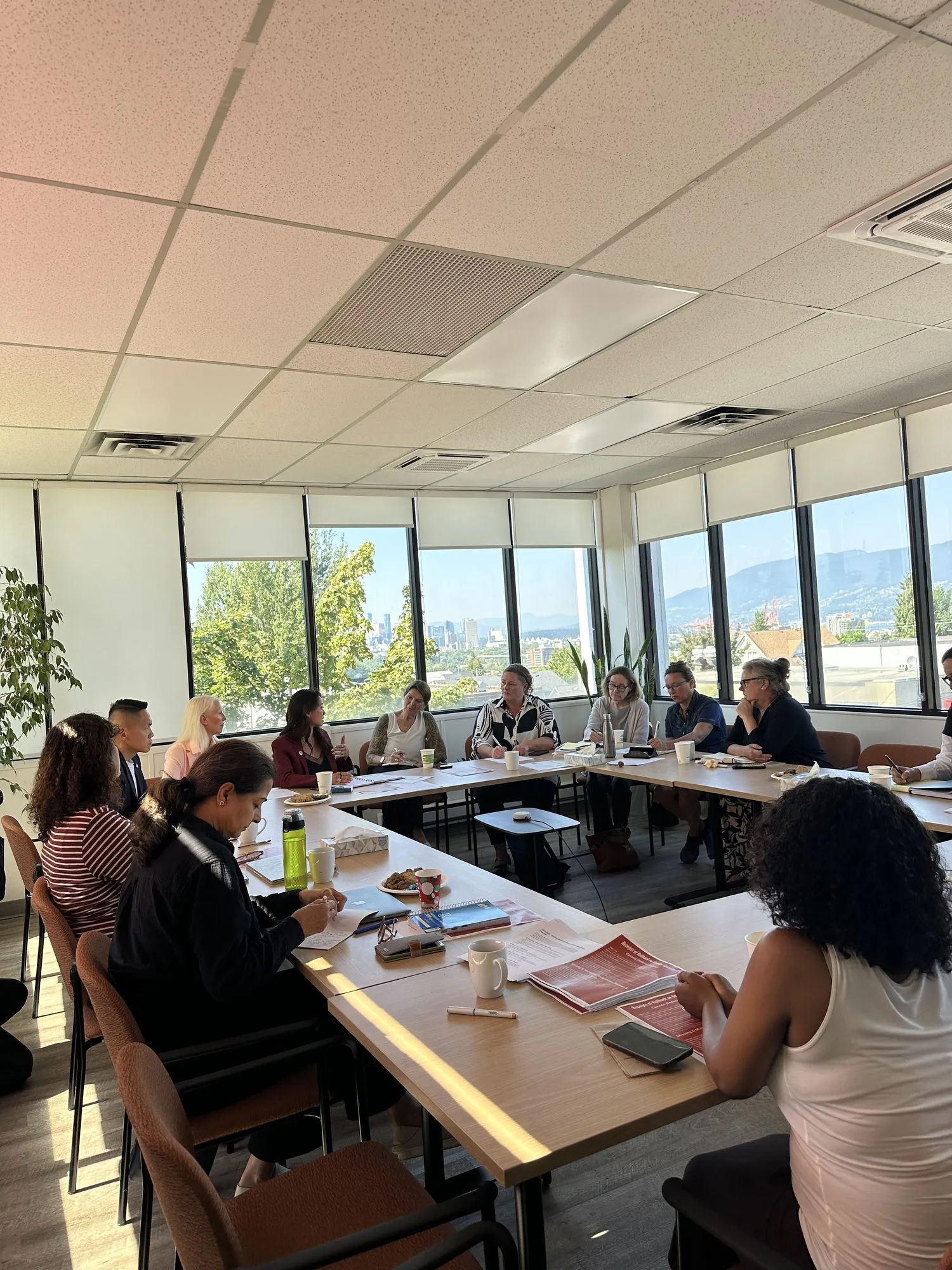
BWSS pressed governments to close that divide through decisions within their authority. We brought analysis into government meetings, addressed council, scrutinized existing obligations and responded to proposed legislation. The purpose was practical: change how institutions respond before violence becomes lethal.
November 5, 2025
Vancouver Council approved work toward a gender-based violence prevention strategy.
December 9, 2025
BC identified standardized risk assessment and safety planning as a provincial priority.
December 10, 2025
BWSS published its response to proposed federal reforms addressing coercive control and femicide.

Listen

 Listen
An advocate on what must happen between identifying danger and providing protection.
0:00
Bringing prevention into municipal decisions
July letters to the mayors of Abbotsford, Kelowna and Surrey sought concrete responses following killings of women. September’s UBCM participation expanded direct engagement with local leaders.
In Vancouver, Angela Marie MacDougall addressed Council on November 5. Council approved a direction to develop recommendations for a gender-based violence prevention strategy, including a task force and resourcing requirements. The adopted motion cited BWSS’s analysis.
This placed prevention within a formal municipal decision-making process. A functioning strategy, funded work and implementation remained the next responsibilities.
 BWSS addresses Vancouver City Council
Connecting identified danger with protective action
BWSS’s comparative risk-assessment analysis examined how institutions recognized, communicated and responded to danger. We brought this unpublished work into repeated government meetings, pressing for consistent assessment grounded in survivors’ knowledge and connected to protection.
On December 9, Attorney General Niki Sharma identified standardized screening, risk assessment and safety planning across criminal and family-court processes as a provincial priority. The commitment aligned with BWSS’s advocacy and the Stanton review.
The next questions concerned implementation: who would assess risk, how information would travel and what action would follow.
news.gov.bc.ca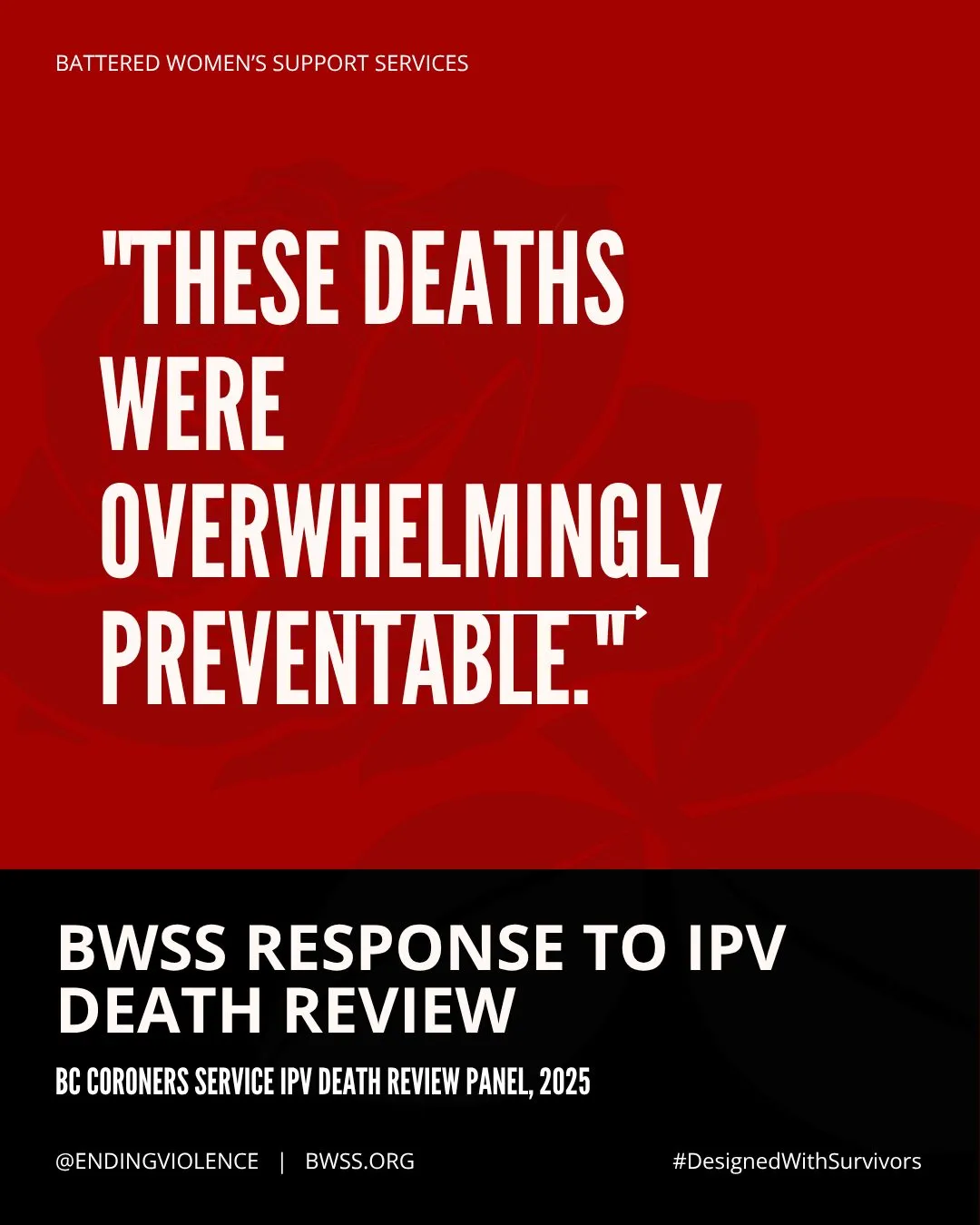
BWSS analysis and meetings
Provincial commitment
Implementation responsibilities

Requiring answers under existing policy
In December, BWSS wrote to the Minister of Public Safety and Solicitor General seeking clarification about consistent application of the Violence Against Women in Relationships policy, including risk assessment, enforcement and police accountability.
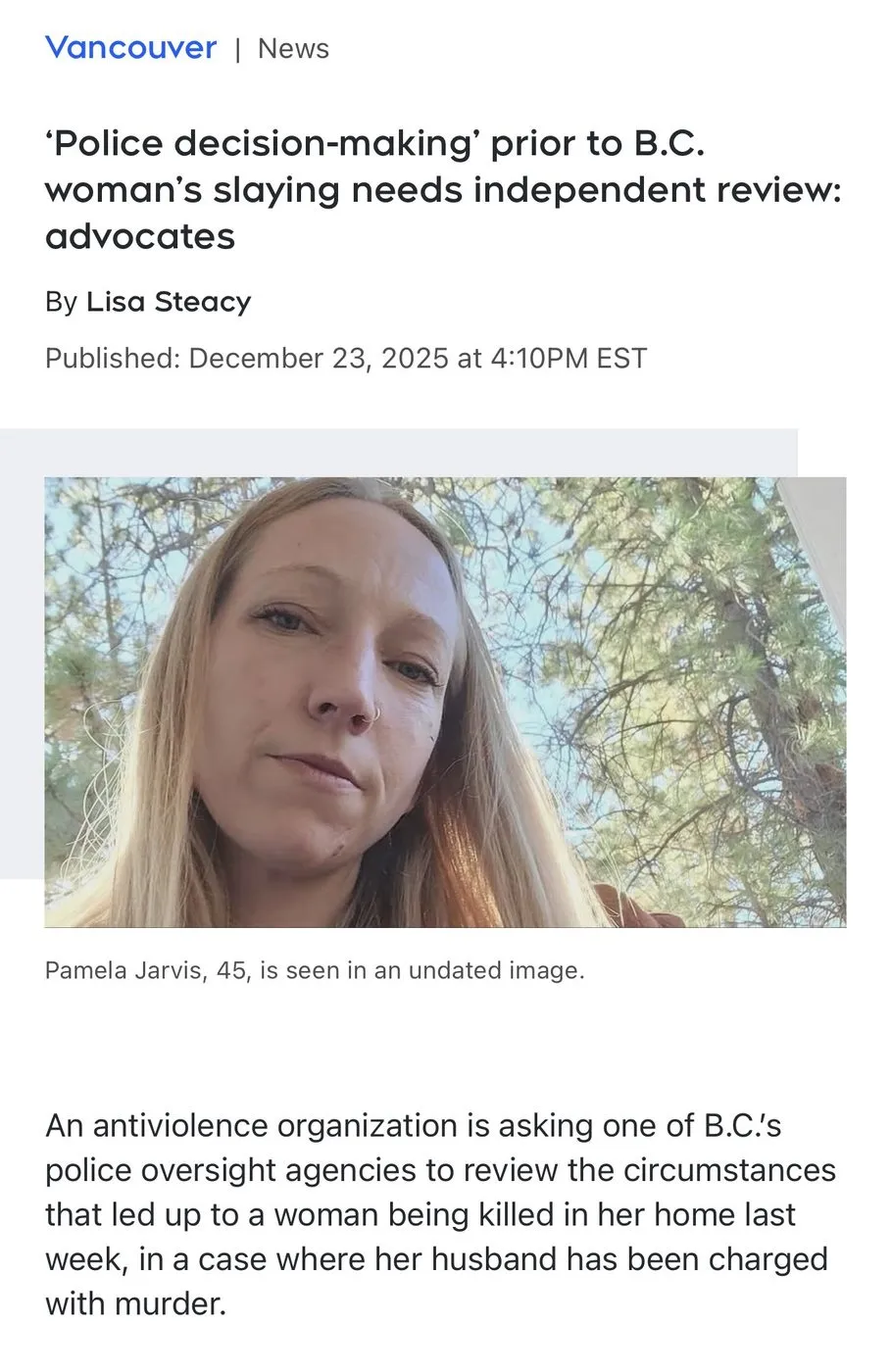
We separately asked the Independent Investigations Office to examine police conduct before Pamela Jarvis’s killing. That request raised questions grounded in public reporting; it did not presume investigative findings.
Both interventions pressed institutions to account for their responsibilities under existing arrangements while broader reforms were being pursued.
Shaping the terms of law reform
Following the December 9 introduction of Bill C‑16, the proposed Protecting Victims Act, BWSS published its analysis on December 10.
We recognized the importance of naming coercive control, femicide and technology-facilitated abuse. We also identified implementation risks: survivors could be misidentified as offenders, and abusive partners could weaponize new provisions.
Our response called for training, oversight and safeguards, alongside housing, income and culturally responsive support. Legal recognition must increase women’s ability to obtain protection.
“Rewriting Recognition as Canada Begins to Name Violence against Women as It Exists”Parliament of Canada
The measure of institutional change is what happens when a woman seeks protection: whether danger is recognized, responsibility is clear and action follows.