
02
Researchand Evidence
Making the pattern of femicide visible
Femicide exposes what is at stake when threats are minimized, protection fails and women cannot access safety.
This year, BWSS challenged the treatment of sexual assaults and women’s killings as separate incidents. We examined publicly available information, connected recurring concerns and asked what institutions knew—and how they responded.
This work grew from our frontline experience. The coercive control, escalating threats and barriers survivors describe informed our analysis and demands for prevention.
34
women killed in BC over 13 months
The toll identified in our September 8, 2025 analysis—not a reporting-year total.
60
barriers to leaving abusive partners
Identified in BWSS’s framework, connecting violence with housing, income, legal protection and access to support.
5
immediate provincial actions proposed
Translating survivor knowledge and systemic analysis into demands for prevention.
Examining each case. Identifying the pattern.
BWSS examined publicly reported sexual assaults and femicides, including Pamela Jarvis’s killing. We took time to unpack the circumstances, prior institutional involvement and unanswered questions, including scrutiny of IIO investigations where relevant.
Each woman’s life and circumstances mattered. We distinguished established facts from allegations and gaps in public information. Examining cases together helped expose recurring concerns without treating women’s experiences as interchangeable.

Taking the evidence to decision-makers
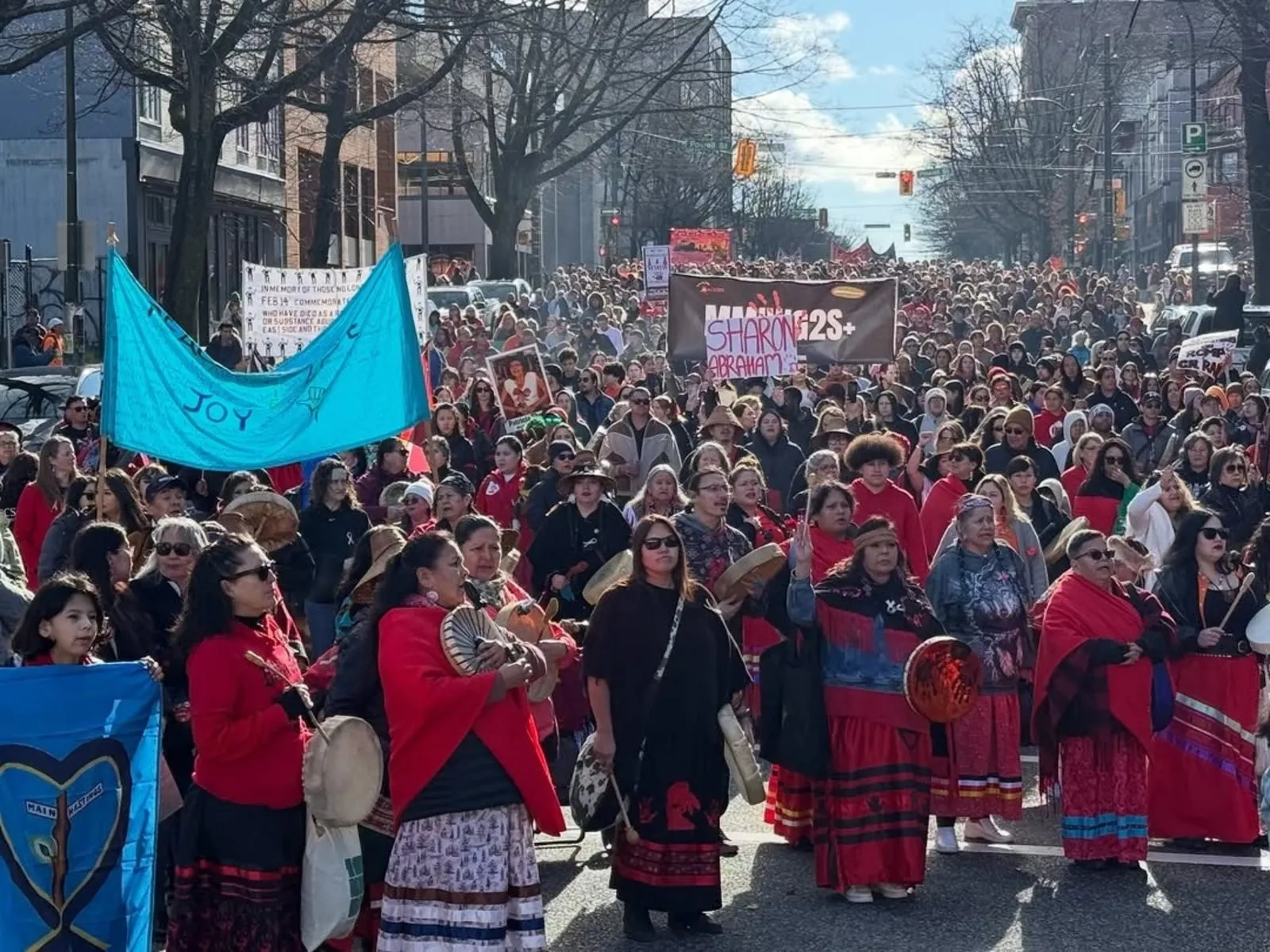
We contacted mayors and councils in the municipalities where the violence occurred, asking them to take action.
Our comparative risk-assessment analysis also informed repeated government meetings. We pressed for consistent assessment grounded in survivors’ knowledge and connected to protective action.
On December 9, 2025, Attorney General Niki Sharma identified standardized screening, risk assessment and safety planning across criminal and family-court processes as a provincial priority—a significant commitment aligned with BWSS’s sustained advocacy.
Whose safety counts?
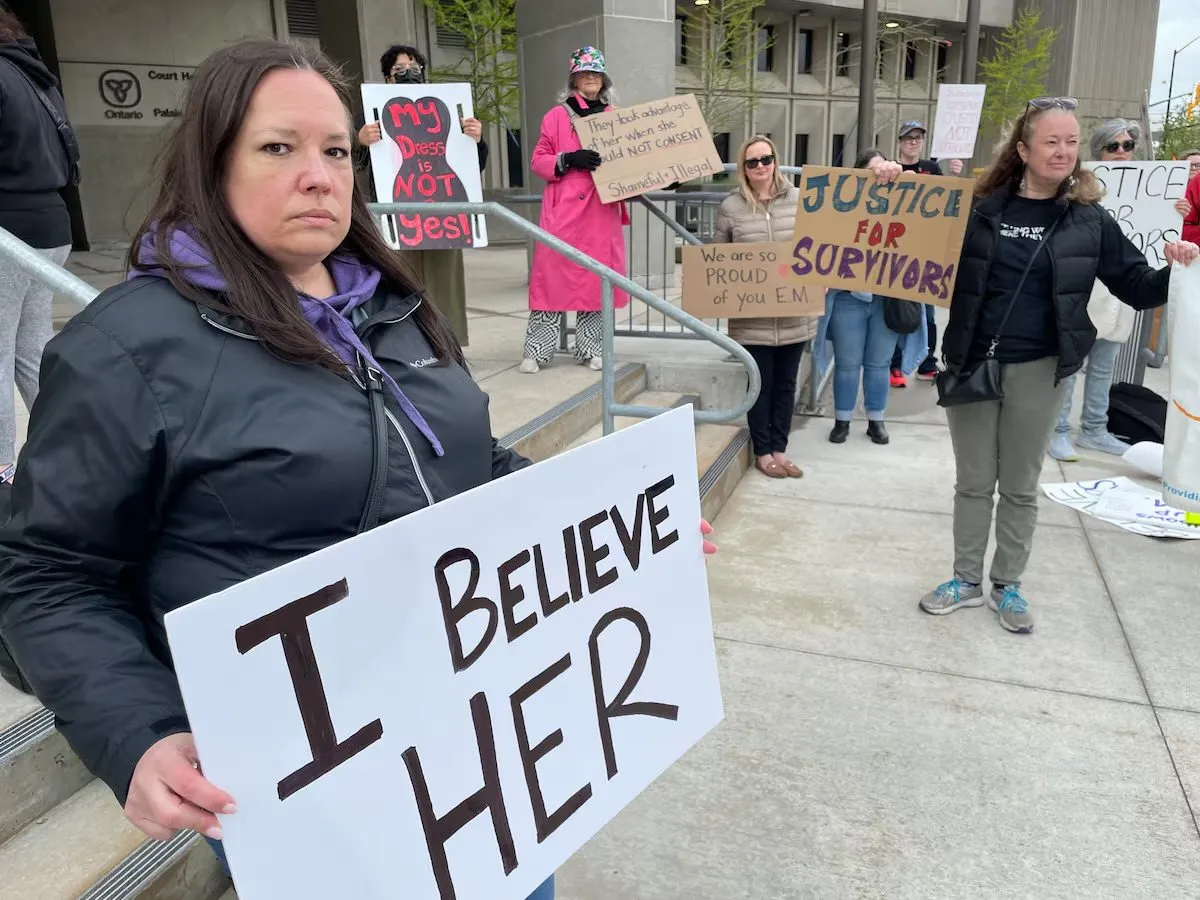
We challenged “no risk to the public” messaging that left the danger preceding women’s deaths unexplained. Our January 2026 analysis of possible femicides in Delta and Saanich brought questions about known risk and protective measures into public view.
Women’s safety belongs within public safety.
Making institutional responsibilities visible
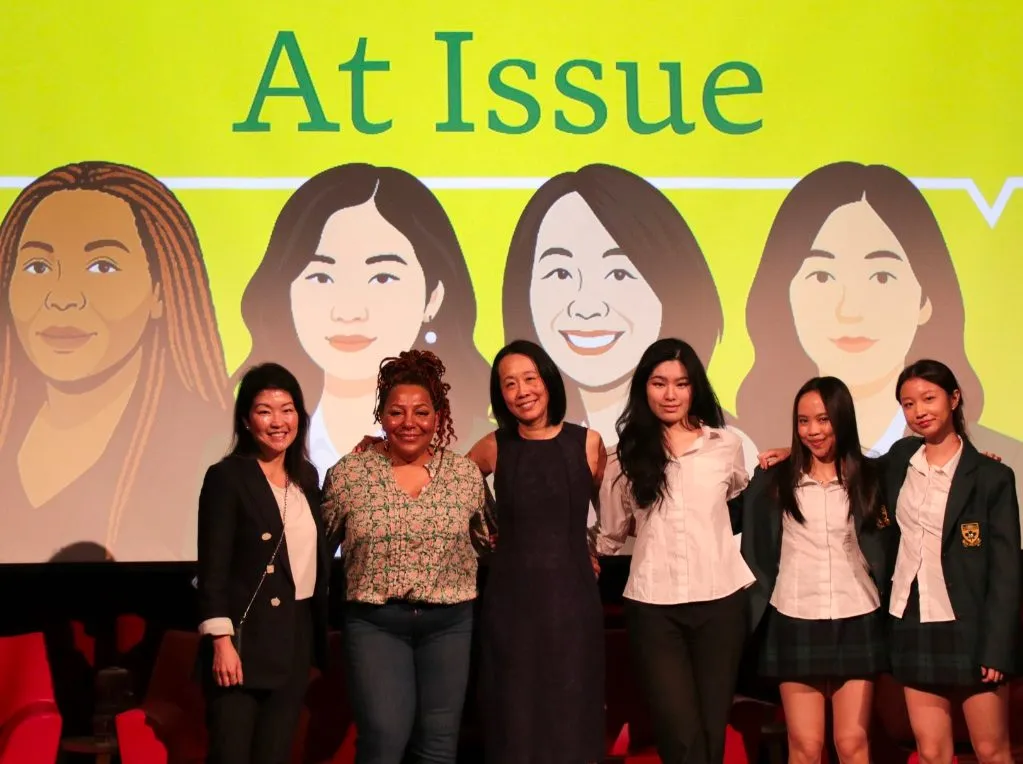
Our earlier research, Justice or ‘Just’ a Piece of Paper? (2024), informed scrutiny of whether legal protections translated into safety. Our cost-of-inaction analysis connected violence with pressures across housing, health, employment, emergency response and legal systems.
Together, this work pressed institutions to recognize danger earlier, share responsibility and act when women seek protection.